Outdoor season · 159 days left
49
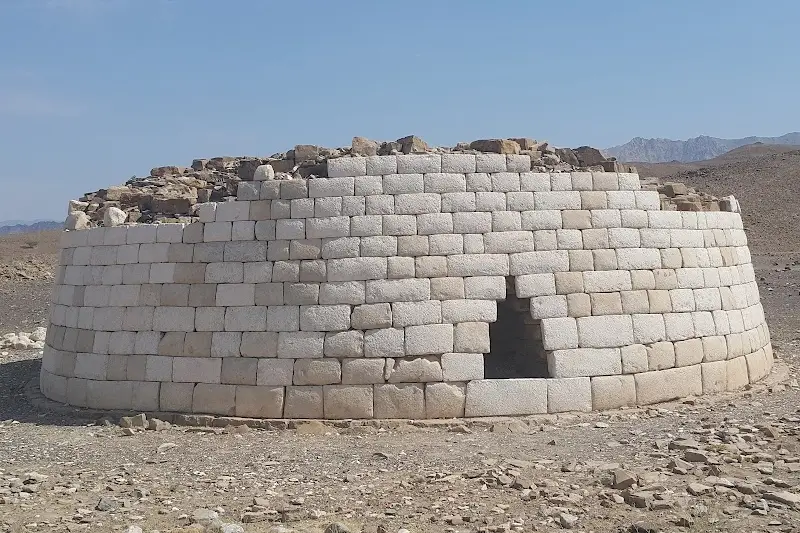
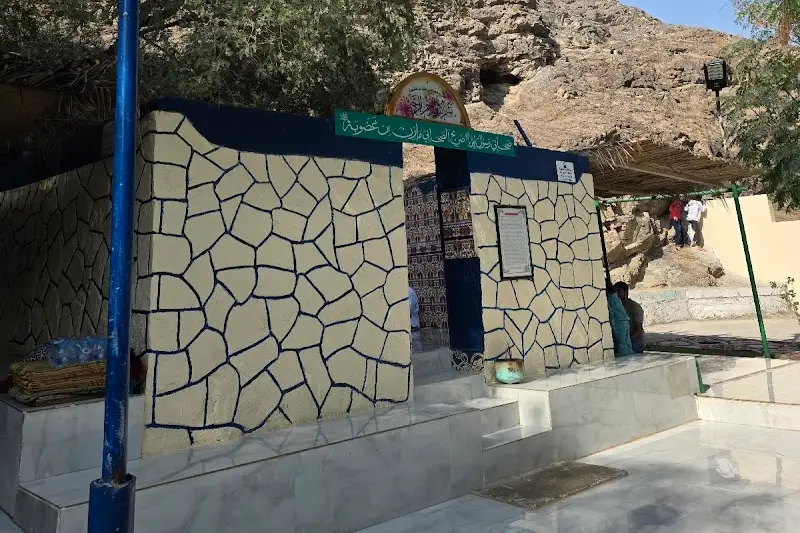
Mazin Bin Gadhubah Tomb
Ad DakhiliyahPlacesFree
Your guide to Oman
76 places waiting for you
76 places waiting for you
Ad DakhiliyahPlacesFree
Ad DakhiliyahPlacesFree
Ad DakhiliyahPlacesFree
Ad DakhiliyahPlacesFree
Ad DakhiliyahPlacesFree
Ad DakhiliyahPlacesFree
Ad DakhiliyahPlacesFree
Ad DakhiliyahFood & cafés
Ad DakhiliyahFood & cafés

Ad DakhiliyahFood & cafés

Ad DakhiliyahFood & cafés

Ad DakhiliyahFood & cafés

Ad DakhiliyahFood & cafés
Ad DakhiliyahFood & cafés
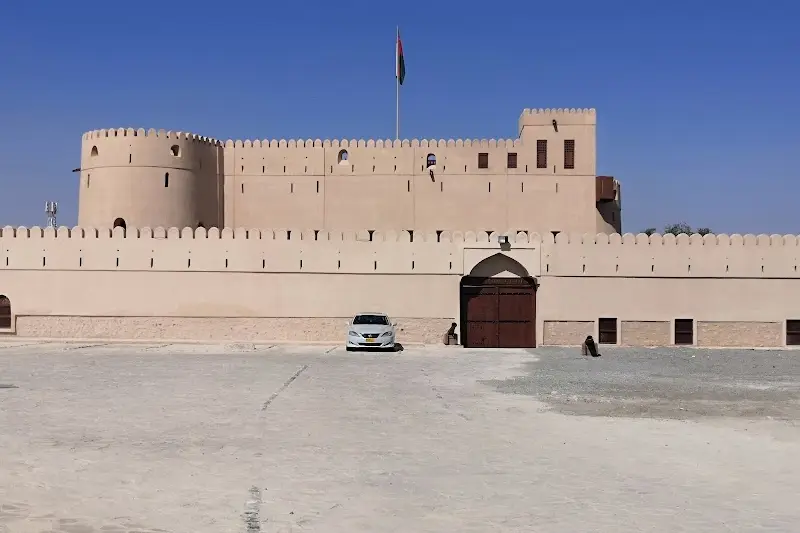
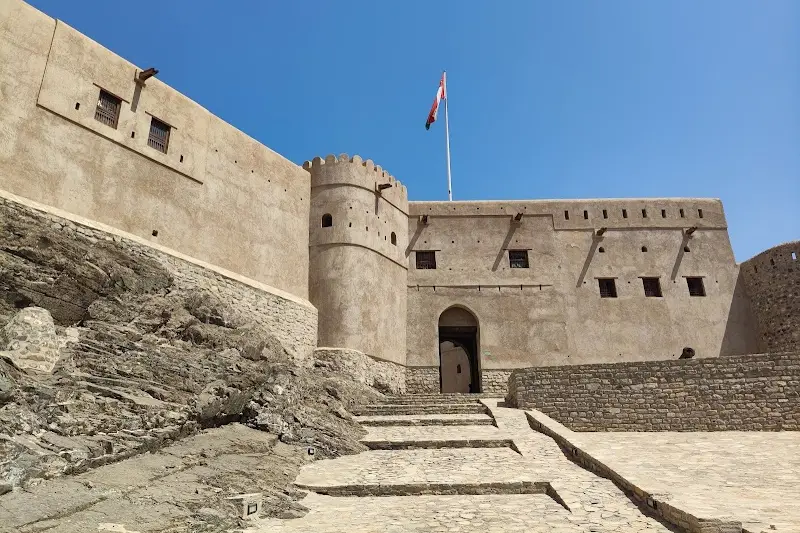
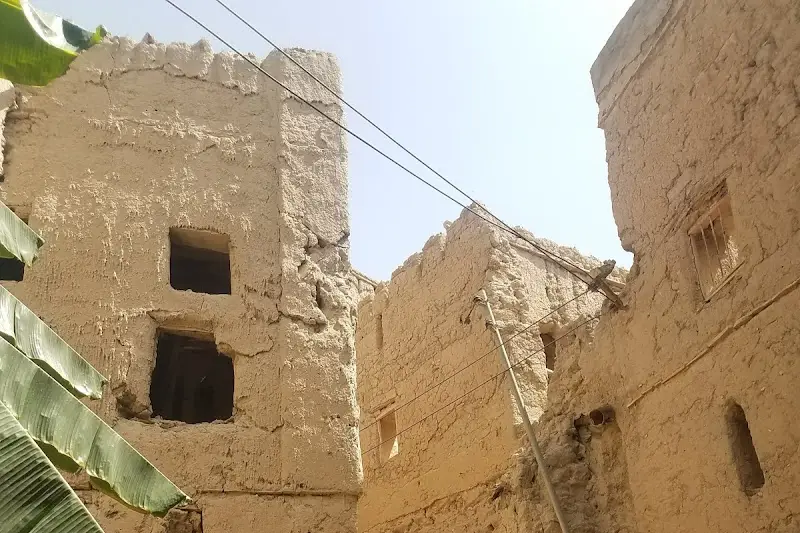
Manal village is ringed by more than fourteen historic watchtowers and small forts, of which four have been restored by the Ministry of Heritage and Culture. Built from mud and lime mortar known locally as saroog, they once guarded the village from every side.
Ad DakhiliyahPlacesFree
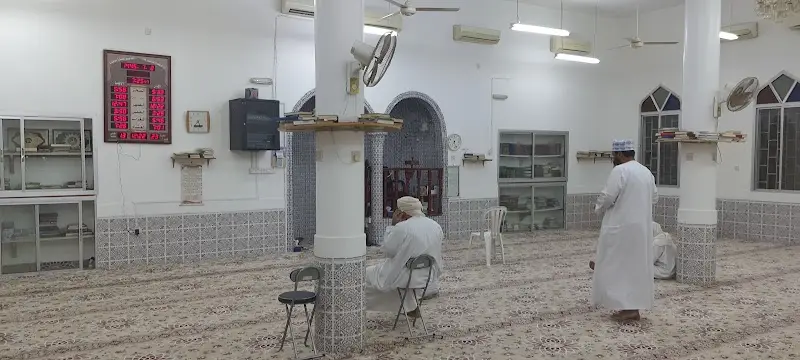
One of the oldest mosques in A'Dakhiliyah. Simple whitewashed walls and a quiet courtyard.
Ad DakhiliyahPlacesFree
Walk through centuries of Omani architecture in one neighbourhood. Best in the morning light.
Ad DakhiliyahPlacesFree
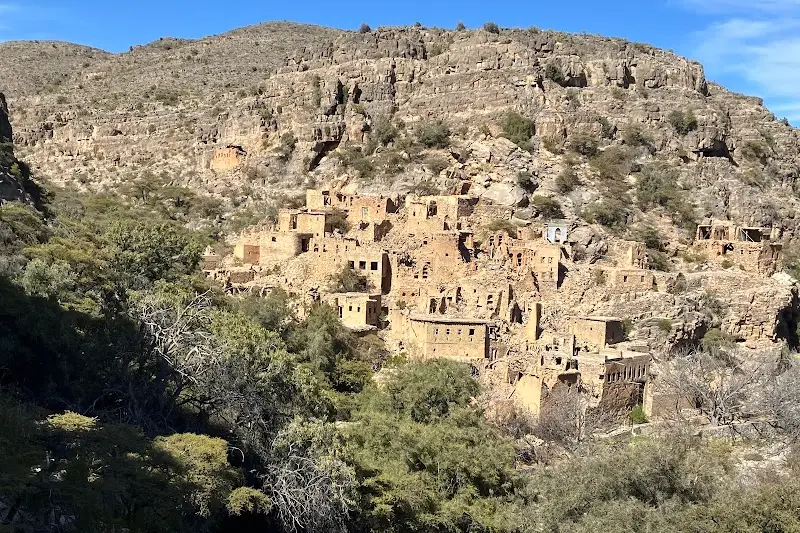
One of A'Dakhiliyah's heritage villages. The houses are stacked against the hillside, connected by stone paths.
Ad DakhiliyahPlacesFree
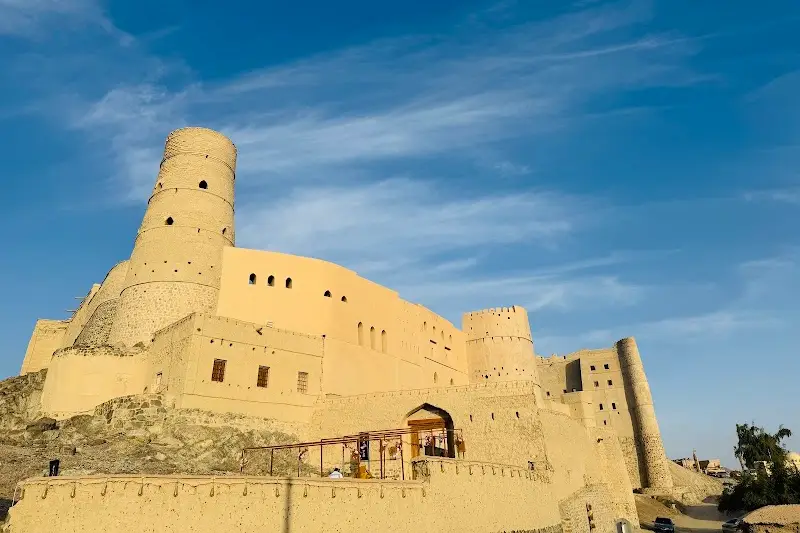
A well-preserved fort overlooking Manah. Thick walls, wooden doors, and views from the watchtower.
Ad DakhiliyahPlacesFree
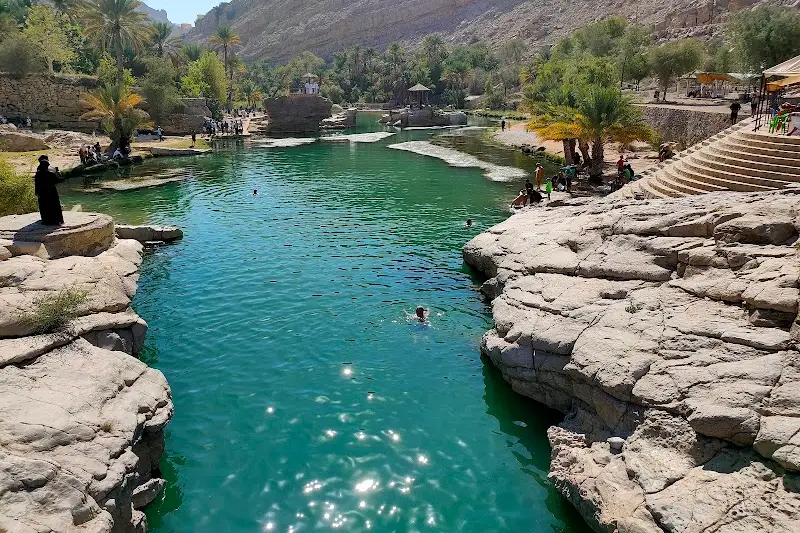
Wadi Mastal, a rocky valley near Tanuf with year-round water and a few deep pools, within easy reach of Nizwa. Check conditions before you go. Flash floods happen here after rain.
Ad DakhiliyahPlacesFree
Famous cliff-edge viewpoint named after Princess Diana who visited in 1986. Panoramic view of the Wadi Al Ayn canyon. Part of the balcony walk trail.
Ad DakhiliyahPlacesFree
Turquoise sulfur hot spring with mineral rich water. Used for generations for skin conditions. Distinctive smell but stunning color. Found in the mountains near Sohar.
Ad DakhiliyahPlacesFree
Highland plateau villages on Jebel Akhdar growing pomegranates, walnuts, and roses. Cool climate year-round. Traditional terraced agriculture and stone houses.
Ad DakhiliyahPlacesFree
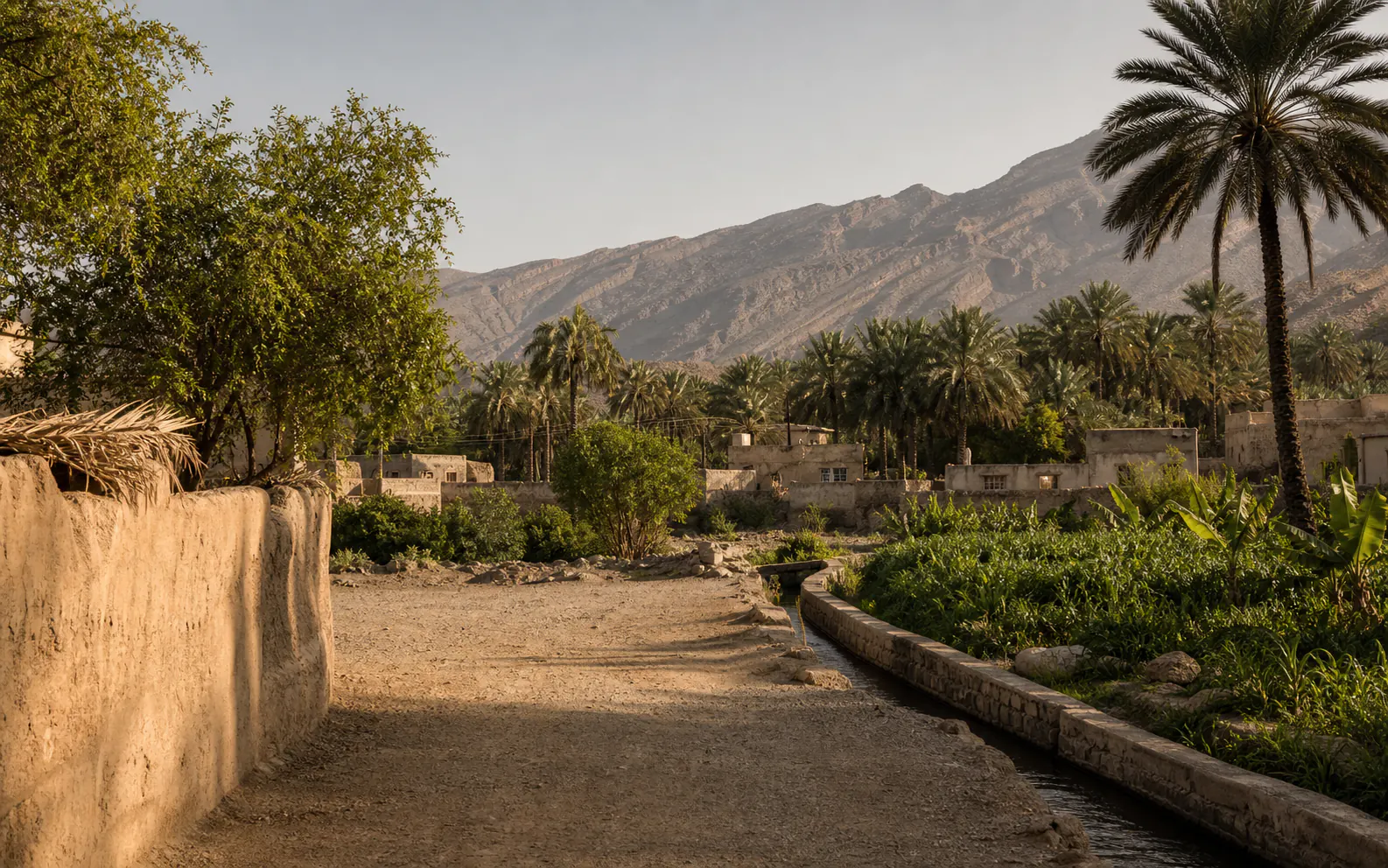
Falaj Al Malki runs through the wilayat of Izki in Ad Dakhiliyah and is one of five Omani aflaj inscribed on the UNESCO World Heritage list in 2006. It is the longest falaj in the governorate, with seventeen branches stretching across a combined length of about fifteen kilometers. It takes its name from Malik bin Fahm Al Azdi and stands as a record of how earlier generations of Omanis managed water in an arid land.
Ad DakhiliyahPlacesFree
440
published places
0
ads
Six routes we put together from this same guide.