Local favorite
1
Al Buraymi Suq
Al BuraimiPlacesFree
Your guide to Oman
11 places waiting for you
11 places waiting for you
Al BuraimiPlacesFree
Al BuraimiPlacesFree
Al BuraimiPlacesFree
Al BuraimiPlacesFree
Al BuraimiPlacesFree
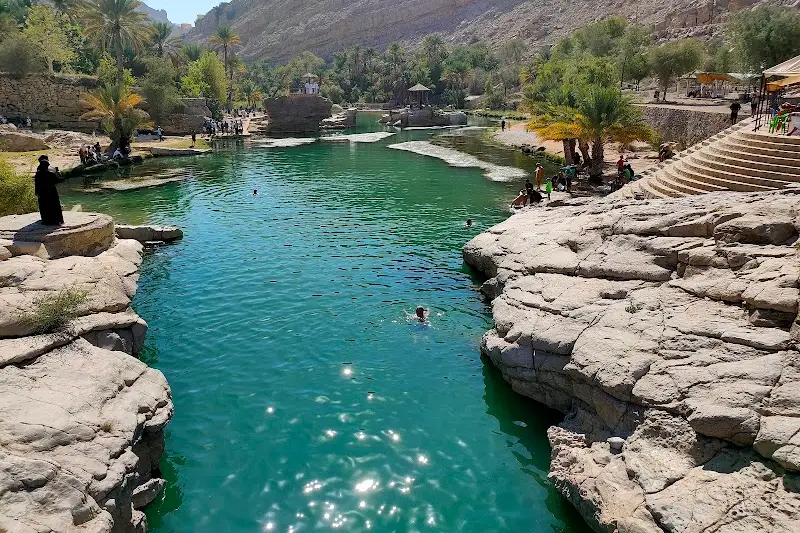
Wadi Qahfi lies in the mountains of Al Buraimi Governorate, roughly fifty kilometres from Wilayat Mahdah along a narrow winding road that leads through the village of Al Fayy. Clear, turquoise water flows through rocky pools in the wadi for most of the year, and unlike many mountain wadis in Oman, it can be reached without a 4wd vehicle or a long walk. It remains a favourite of local adventurers who discovered its beauty long before it appeared on any tourist list.
Al BuraimiPlacesFree
Al Buraimi Oasis Plaza is a new urban destination spanning more than sixty eight thousand square metres between the historic Al Hillah and Al Khandaq forts in Al Buraimi Governorate. The project blends traditional architecture with modern touches and includes green and water features such as a miniature oasis, one hundred seventy four palm trees, fountains, and dedicated paths for walking and cycling. Officially opened in January 2026, it now serves as a gathering place for residents and visitors alike, reinforcing the governorate's cultural identity.
Al BuraimiPlacesFree
Straddling the border between Al Buraimi and the UAE's Al Ain, Jebel Al Qatar is a run of mountain slopes nicknamed the Hanging Gardens for the greenery that clings to its cliffs. Visitors come for desert safari drives through the slopes and for camping trips that take in the mountain scenery after sunset. Hiking trails wind through its gorges, making it a favourite half day escape for residents of both border towns. Its position right on the corridor between the two cities makes it an easy add on to any visit to the governorate.
Al BuraimiPlacesFree
Hamasa is one of the oldest historic quarters in Al Buraimi, built more than five centuries ago around a market and several fortified towers. One tower has already been restored by the Ministry of Heritage and Culture, and the quarter's old souq, with its distinctive layout of stalls and storerooms, points to what was once a busy trading life. Most houses are simple single-storey stone buildings, and the governorate is now working with the University of Al Buraimi to fully document the quarter before restoring it as a heritage village with guesthouses, cafes and craft shops for visitors.
Al BuraimiPlacesFree
Falaj Al Raihany is a groundwater fed falaj daudi in wilayat Sunaynah, Al Buraimi Governorate, one of the oldest and most important of the wilayat's traditional irrigation channels alongside Falaj Sunaynah, Al Hurmuzi and several others. Local farmers still depend on it to water extensive date palm groves and farmland, and the local municipality has included the development of its shari'a, the traditional water distribution channel, among the wilayat's planned heritage and infrastructure projects.
Al BuraimiPlacesFree
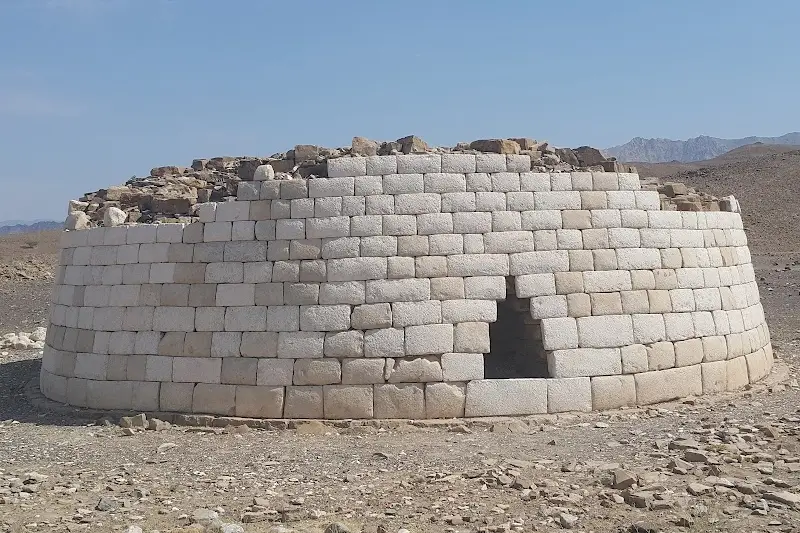
The Hafeet archaeological site sits on the Omani side of Jebel Hafeet, the mountain straddling the border between Al Buraimi and Al Ain that gives its name to the Hafit period, the earliest Bronze Age culture of southeast Arabia, dating to roughly 3100 to 2700 BC. Its beehive shaped stone tombs once held imported pottery from Mesopotamia, evidence of early copper trade routes linking the Oman interior to Iraq, and the site is counted among Al Buraimi's most important tourist attractions, reflecting the deep history shared between the Hafit and later Umm an Nar civilisations.
Al BuraimiPlacesFree
440
published places
0
ads
Six routes we put together from this same guide.