An Oman essential
1
Ash Sharqiyah Sands
North Ash SharqiyahPlacesFree
Your guide to Oman
27 places waiting for you
27 places waiting for you
North Ash SharqiyahPlacesFree
North Ash SharqiyahPlacesFree
North Ash SharqiyahPlacesFree
North Ash SharqiyahPlacesFree
North Ash SharqiyahPlacesFree
North Ash SharqiyahPlacesFree
North Ash SharqiyahPlacesFree
North Ash SharqiyahPlacesFree
North Ash SharqiyahPlacesFree
North Ash SharqiyahPlacesFree
North Ash SharqiyahPlacesFree
North Ash SharqiyahPlacesFree
North Ash SharqiyahPlacesFree
North Ash SharqiyahPlacesFree
North Ash SharqiyahPlacesFree
North Ash SharqiyahPlacesFree
North Ash SharqiyahPlacesFree
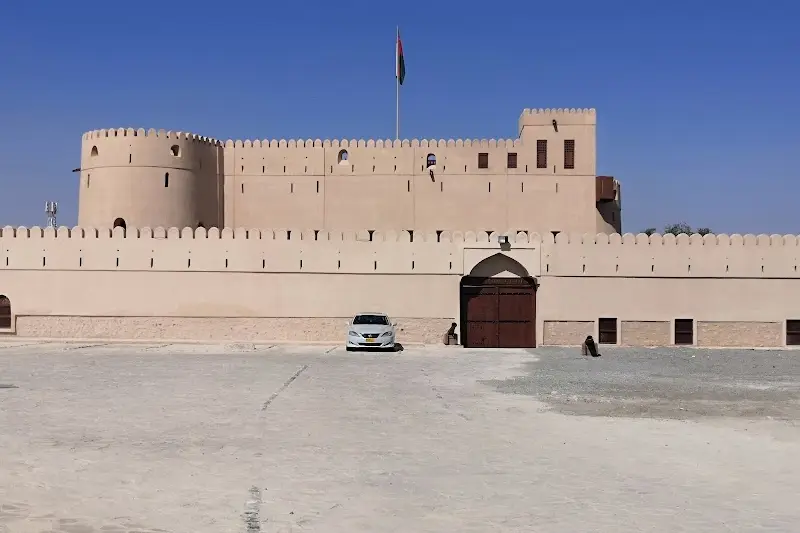
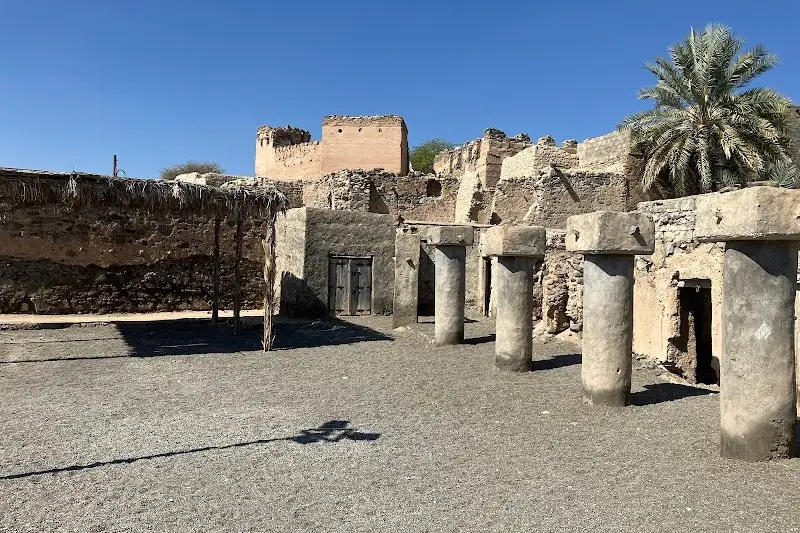
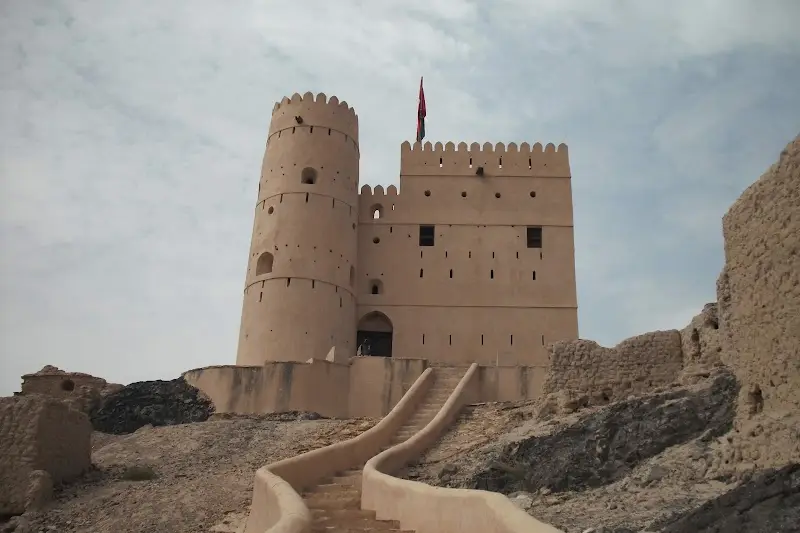
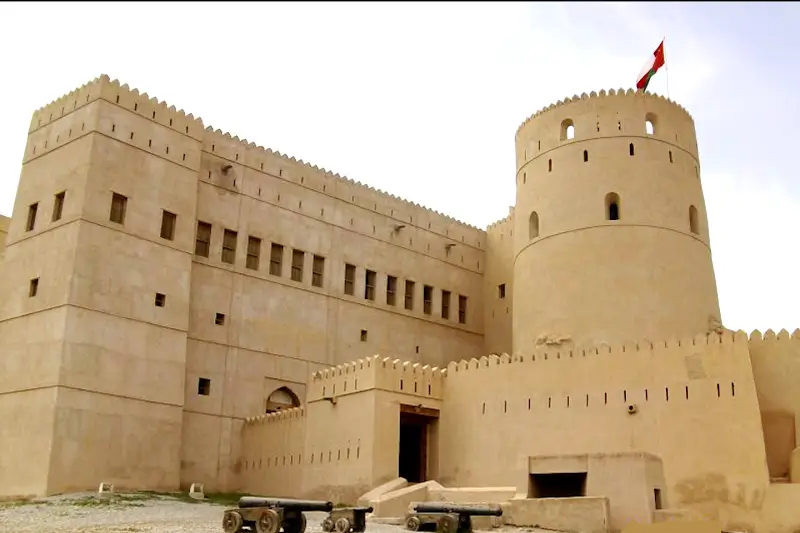
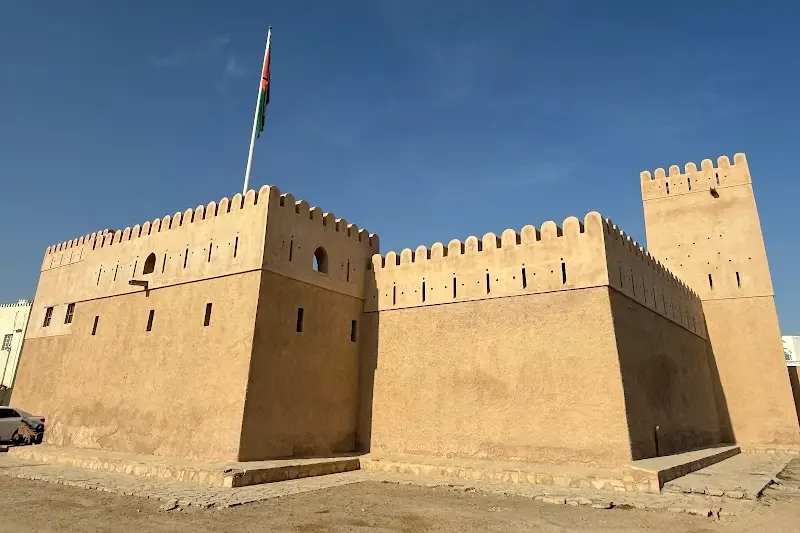
This castle has been restored and is open to walk through. The rooms give a sense of how the garrison lived.
North Ash SharqiyahPlacesFree
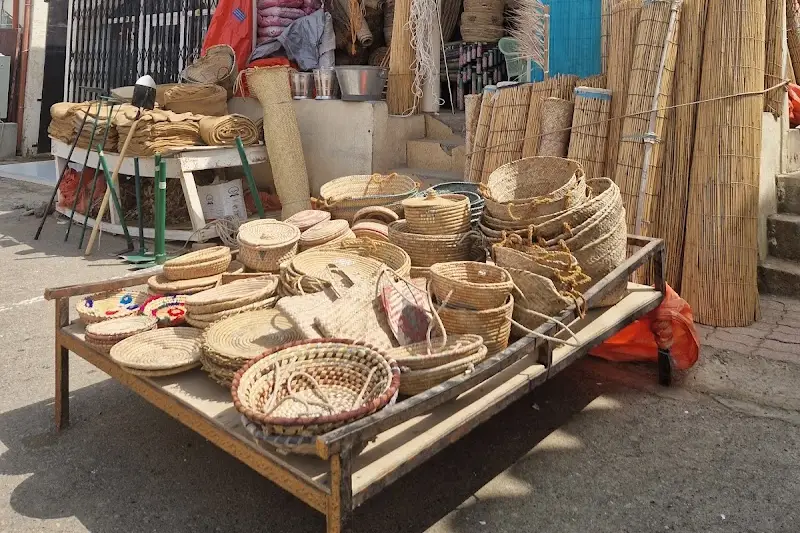
This souq still operates the way it has for decades. Haggling is expected and part of the experience.
North Ash SharqiyahPlacesFree
Every Wednesday morning, women from Ibra and nearby villages gather to run one of the oldest and best known markets in Oman, held in the heart of Ibra town in North Ash Sharqiyah Governorate. Traders lay out traditional Omani clothing, frankincense and incense brought in from regions such as Dhofar, silver jewelry, palm weaving, and other handicrafts alongside plants and birds. The souq has drawn buyers and sellers from across neighboring wilayats for decades and remains a rare women run marketplace in the country.
North Ash SharqiyahPlacesFree
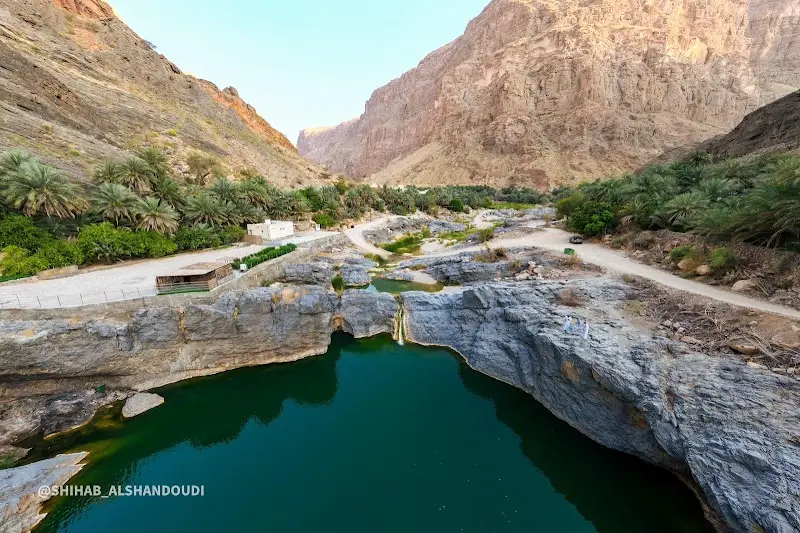
Hawir Waterfalls cascade down from the heights near Bidah village in Wadi Bani Khaled, only about two hundred metres on foot from the car park, making them one of the wilayat's most visited natural sites. Deep, clear pools collect beneath the falls as the water continues its course toward Seeq village in the neighbouring Wilayat of Al Kamil Wal Wafi. Local newspapers describe the spot as a draw for adventure and recreational tourism in both summer and winter alike.
North Ash SharqiyahPlacesFree
Bait Al Darwaza is a restored seventeenth century fortified house in Sifalat Ibra, in the Wilayat of Ibra, North Al Sharqiyah Governorate. It was converted into a museum in 2012 and now displays hundreds of pieces from Ibra's past, including antique rifles and swords, gold and silver jewelry, horse saddles, pottery, and traditional cooking tools. The museum is open daily from 8am to 1pm and again from 4:30pm to 6:30pm, with a small entry fee and a rooftop cafe for visitors.
North Ash SharqiyahPlacesfrom OMR 0.500
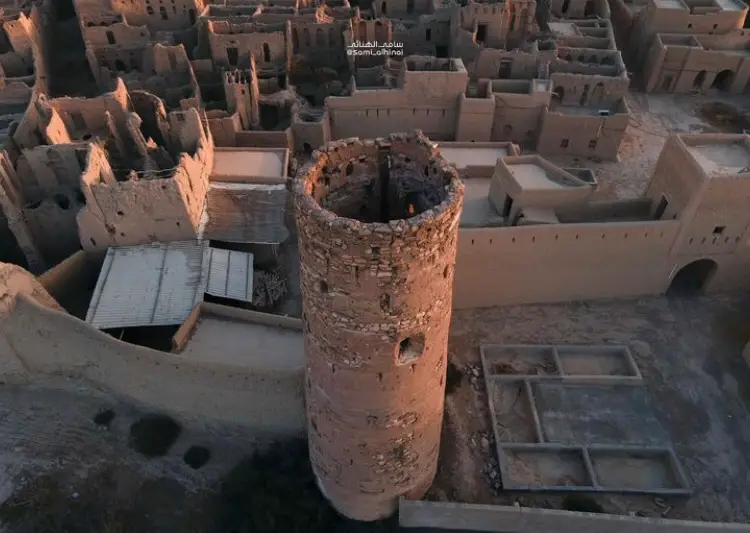
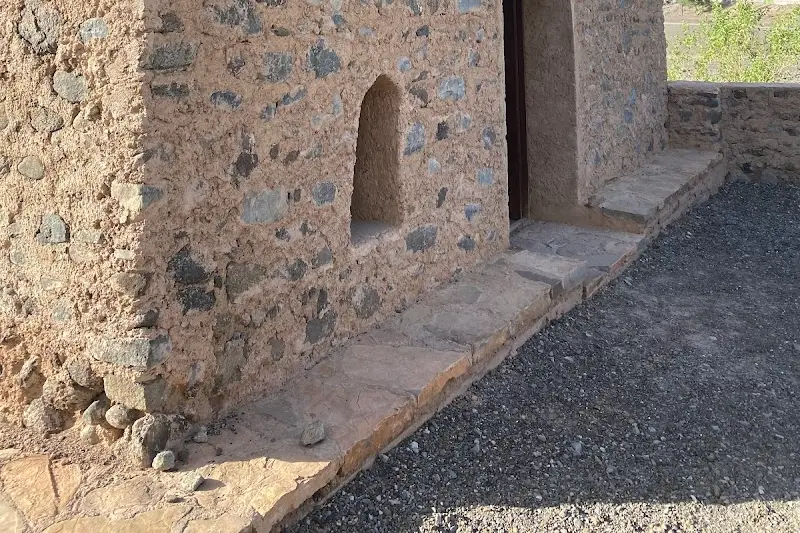
Al Qanatir is one of the oldest quarters in Ibra, with settlement said to reach back to the third millennium BC. The neighborhood takes its name from the many stone arches built at the entrance of its lanes, and its old stone houses are grouped into several small districts such as Kasham, Matrah and Al Maqtoura. At its heart stands Al Qanatir Mosque, first built in 1077 AH (1666 CE) and restored in 1409 AH (1989), once used to teach religious sciences and Arabic. The quarter still carries the quiet weight of its history, its narrow alleys and stone walls waiting for restoration.
North Ash SharqiyahPlacesFree
Hisn Al Wasil was raised by the Al Hajriyeen in the seventh Islamic century as the first and largest fort built in the wilayat of Bidiyah, North Ash Sharqiyah Governorate. It carries several defensive towers along with an internal souq, and the Ministry of National Heritage and Culture later restored it into a tourist attraction that displays traditional heritage pieces. The Ministry of Heritage and Tourism has since signed a development and operation agreement with Al Wasil Investment Company to turn the fort into a fuller cultural and tourism destination for the region.
North Ash SharqiyahPlacesFree
440
published places
0
ads
Six routes we put together from this same guide.