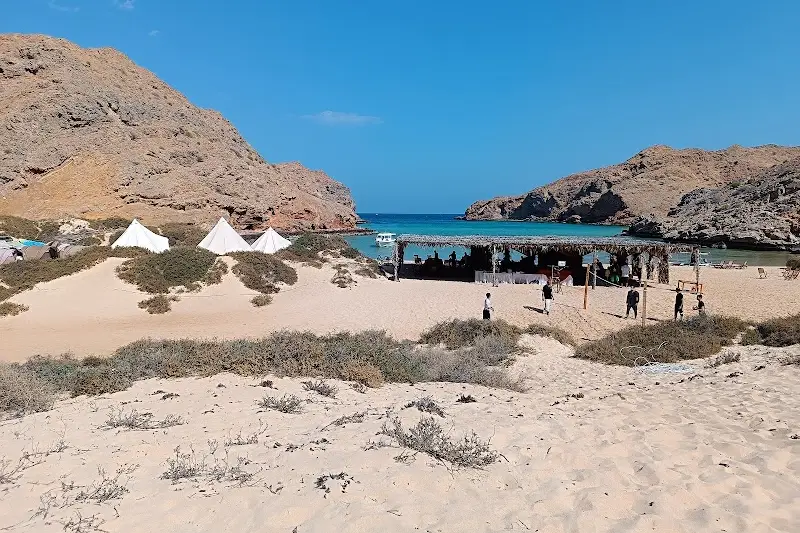
Shaat Beach
Remote pristine beach east of Salalah. Crystal clear water, virtually untouched with no facilities: perfect for adventurous travelers.
DhofarPlacesFree
Your guide to Oman
440 places waiting for you
440 places waiting for you
Remote pristine beach east of Salalah. Crystal clear water, virtually untouched with no facilities: perfect for adventurous travelers.
Dhofar·Places·Free
Small sheltered cove near Al Fazayah accessible by scrambling down cliff trails. Popular with local free-divers and kayakers.
Dhofar·Places·Free
UNESCO World Heritage site protecting a forest of Boswellia sacra frankincense trees. Active harvesting still practiced. Interpretive signs explain the ancient trade.
Dhofar·Places·Free
Premier dive site in Musandam. Underwater rock pinnacle teeming with marine life: rays, reef sharks, turtles, and massive schools of fish. Suitable for intermediate divers.
Musandam·Places·Free
Isolated fjord village with traditional Shihuh stone houses built into cliffs. Only reachable by sea. Incredible sense of remoteness.
Musandam·Places·Free
Wild camping beach accessible only by boat. Sheltered cove with crystal water and dramatic cliff backdrop. Popular overnight dhow cruise stop.
Musandam·Places·Free
Pristine beach near Dibba popular for camping and snorkeling. Sandy bottom with clear water perfect for families. Accessible by road from Dibba.
Musandam·Places·Free
Two-part dive site known for vibrant coral gardens, blacktip reef sharks, and whale sharks (seasonal). One of the best dives in the Gulf of Oman.
Musandam·Places·Free
Remote village at the tip of Musandam accessible only by boat. No roads in or out. Traditional Shihuh culture preserved. Dhow cruises stop here.
Musandam·Places·Free
Highland plateau villages on Jebel Akhdar growing pomegranates, walnuts, and roses. Cool climate year-round. Traditional terraced agriculture and stone houses.
Ad Dakhiliyah·Places·Free
Remote Dhofari village near the Yemen border reached via spectacular mountain road. Traditional community, fishing heritage, and pristine coastline. True end-of-the-road feel.
Dhofar·Places·Free
Al Huqf is a striking desert escarpment in Al Wusta governorate near the Gulf of Masirah, exposing rock formations more than 700 million years old. The area holds the Shuram and Buah geological formations along with hundreds of Middle Paleolithic sites documented nearby. Oman has been working to nominate Al Huqf for UNESCO World Heritage status in recognition of its rare geological record.
Al Wusta·Places·Free
The Pink Lakes lie along the coast of Al Jazir in Al Wusta Governorate, a short distance east of the wilayat center. Their striking rose colour comes from Dunaliella salina, a salt loving algae that thrives in the highly saline water, and the shade shifts from one season to another as salinity changes. One of the largest and most beautiful lakes sits close to the wilayat center surrounded by green trees, making the spot a favourite for photography and quiet nature walks.
Al Wusta·Places·Free
Ras Souqrah marks the southern edge of the Al Wusta coastline in Al Jazir, where dark ophiolite cliffs rise above the shore. Nearby Khawr Souqrah sends its waters spreading across a wide wadi, and the ruins of old stone houses still stand as a trace of earlier life on this remote coast. Visitors come for birdwatching, fishing, and the rugged beauty of the rock formations.
Al Wusta·Places·Free
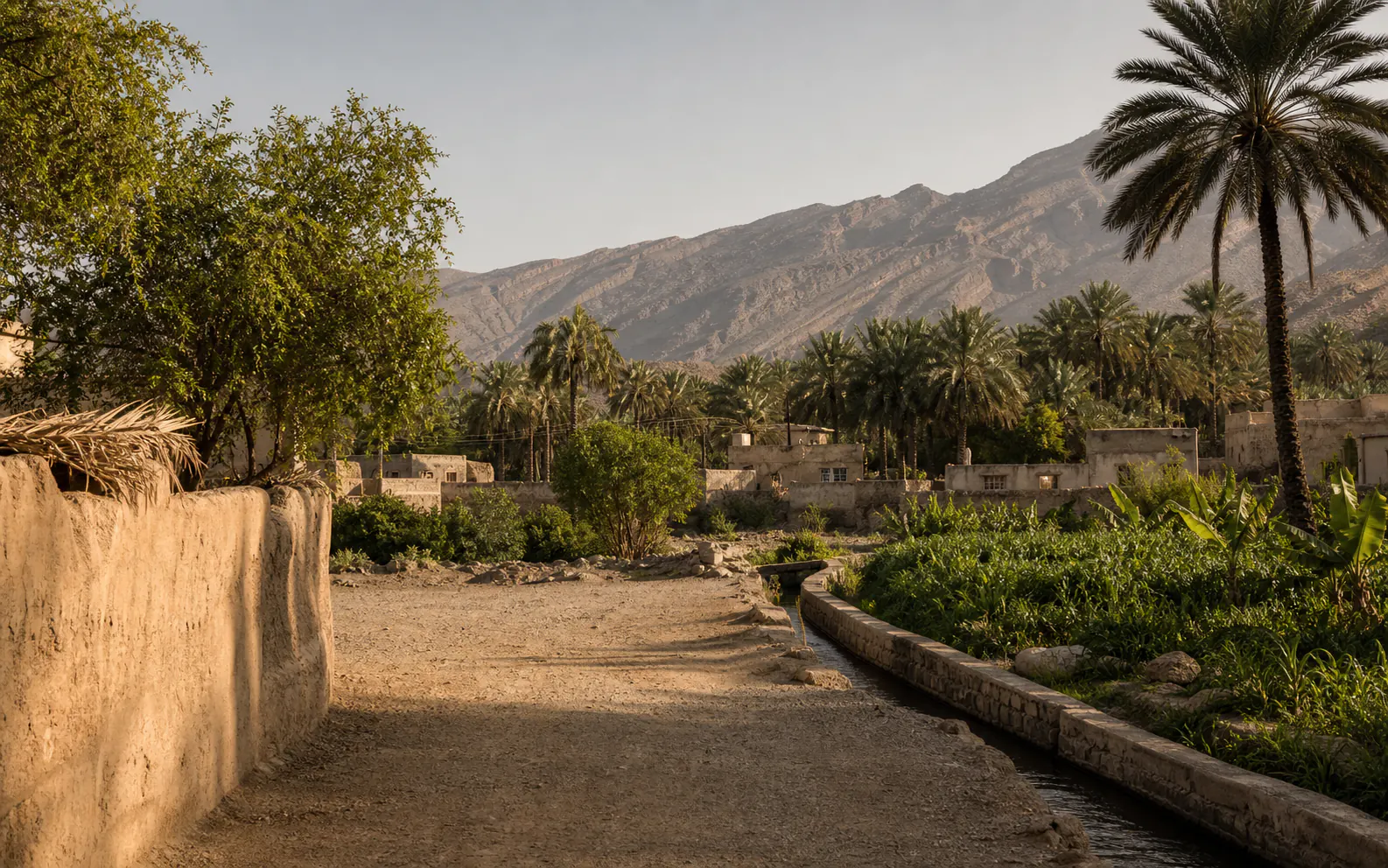
Wadi Hibi lies inland from Sohar in North Al Batinah, where a nineteenth century fort with five towers watches over the valley. At its heart sits Al Hajal, a village of mudbrick houses said to be nearly five centuries old, fed by falaj channels that once irrigated dates, bananas and grapes. Fresh water runs through the wadi year round, drawing visitors for swimming, hiking and photography among its natural pools.
North Al Batinah·Places·Free
Al Amerat Public Park spans 30,000 square meters on the highway opposite the satellite station in Al Amerat, Muscat. Every year it becomes home to the Muscat Festival's Heritage Village, where Bedouin tents, farming tools and coastal exhibits bring Oman's desert, agricultural and seafaring traditions to life alongside craftspeople and Omani chefs. Outside festival season the park remains a favourite for local families seeking open green space.
Muscat·Places·Free
Falaj Al Jeela is a spring fed falaj in Al Jeela village, in the rugged mountains of Wilayat Sur, and one of five aflaj systems inscribed on the UNESCO World Heritage list. Its open channel carries water down from the upper course of Wadi Al Shaab and keeps flowing throughout the year regardless of the season, sustaining the village that depends on it. The site stands as a living example of the ingenuity Omanis used to bring mountain water to their homes and farms.
South Ash Sharqiyah·Places·Free
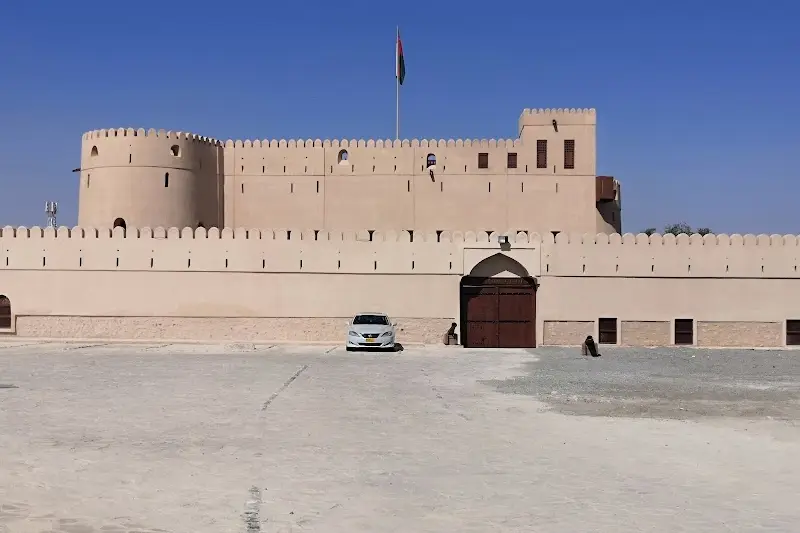
The Friday Souq in Jaalan Bani Bu Ali is one of the best known old markets in Oman, drawing traders from across the wilayats of the southern Sharqiyah coast. Vendors still sell camel and livestock meat, feed, sheep, cattle, poultry and fish in the traditional way, some sitting on the ground to display their goods as their ancestors did. The market runs most days of the week with morning and afternoon sessions, close to Al Hamoudah Fort, Al Qubba Mosque and the Al Dhahir archaeological area in the town centre.
South Ash Sharqiyah·Places·Free
Wadi Al Mayh winds through the historic village of Al Mayh in Al Amerat, Muscat, spread across five districts including Al Raj' and Al Qabil. Its best known falaj, Al Raj', still runs clear beneath date palms and green orchards, while Jabal Al Hanaqi rises above the valley, once known for its honey, gazelles and ibex. The combination of flowing water, old stone architecture and mountain views makes it a popular hiking spot for people from Muscat.
Muscat·Places·Free
Ain Al Kasfah is a sulfurous hot spring about 1,500 metres west of Rustaq Castle in Al Batinah South, with water reaching around 45 degrees Celsius from friction with the volcanic rock below. It carries the largest water volume of any spring in northern Oman and is the main source irrigating the surrounding palm farms. Omani families have long come here seeking the healing and relaxing qualities of its warm mineral rich waters, and entry is free.
South Al Batinah·Places·Free
Bait Al Manzifa Museum sits in the hillside village of Majzi in the Wilayat of Ibri, about sixty kilometres from the town centre, and is the first and only museum in Dhahirah Governorate. It occupies a family home more than a century old that owner Khalfan Al Memari restored to preserve the story of ancestors who lived through the reigns of Sultan Faisal bin Turki and Sultan Taimur bin Faisal. Its Al Bousaidi Hall holds around a hundred sultanate documents, alongside pottery, daggers, swords, copperware and women's jewellery gathered from across the region.
Ad Dhahirah·Places·Free
Darsait Park sits in the Darsait neighbourhood of Muscat, offering shaded walkways and mountain views across a spacious green setting. Families come for the children's playground, seating areas and clean facilities, making it a popular stop for an afternoon outing. The park is open from early morning until late at night, with parking available for visitors.
Muscat·Places·Free
Jebel Sifah is a coastal destination beside As Sifah village in Muscat Governorate, about 45 minutes from the capital and known as one of the top weekend getaways for Muscat residents. It centres on a marina with dozens of berths along a shoreline of several kilometres, offering diving among coral reefs, jet skiing, fishing, and yacht trips, alongside golf, horse riding, and dune buggy outings in the surrounding hills. Restaurants, beach clubs, and the Sifawy Hotel round out a spot that mixes adventure with leisure by the turquoise waters of the Sea of Oman.
Muscat·Places·Free
Wadi Al Sahtan sits in the Rustaq area of Al Batinah South Governorate, known locally as the agricultural treasure chest of Oman for its perennial springs and waterfalls. Green terraces across roughly thirty two villages grow mango, pomegranate, grapes, and other fruit that reach markets in Rustaq, Al Hamra, Bahla, Nizwa, and Muscat. Ancient falaj channels still carry the spring water to the fields, and around ten thousand people live in the valley today.
South Al Batinah·Places·Free
440
published places
0
ads
Six routes we put together from this same guide.